2026-10-03 · Brandon
Is Attic Spray Foam Worth It for an Older North Broken Arrow Home?
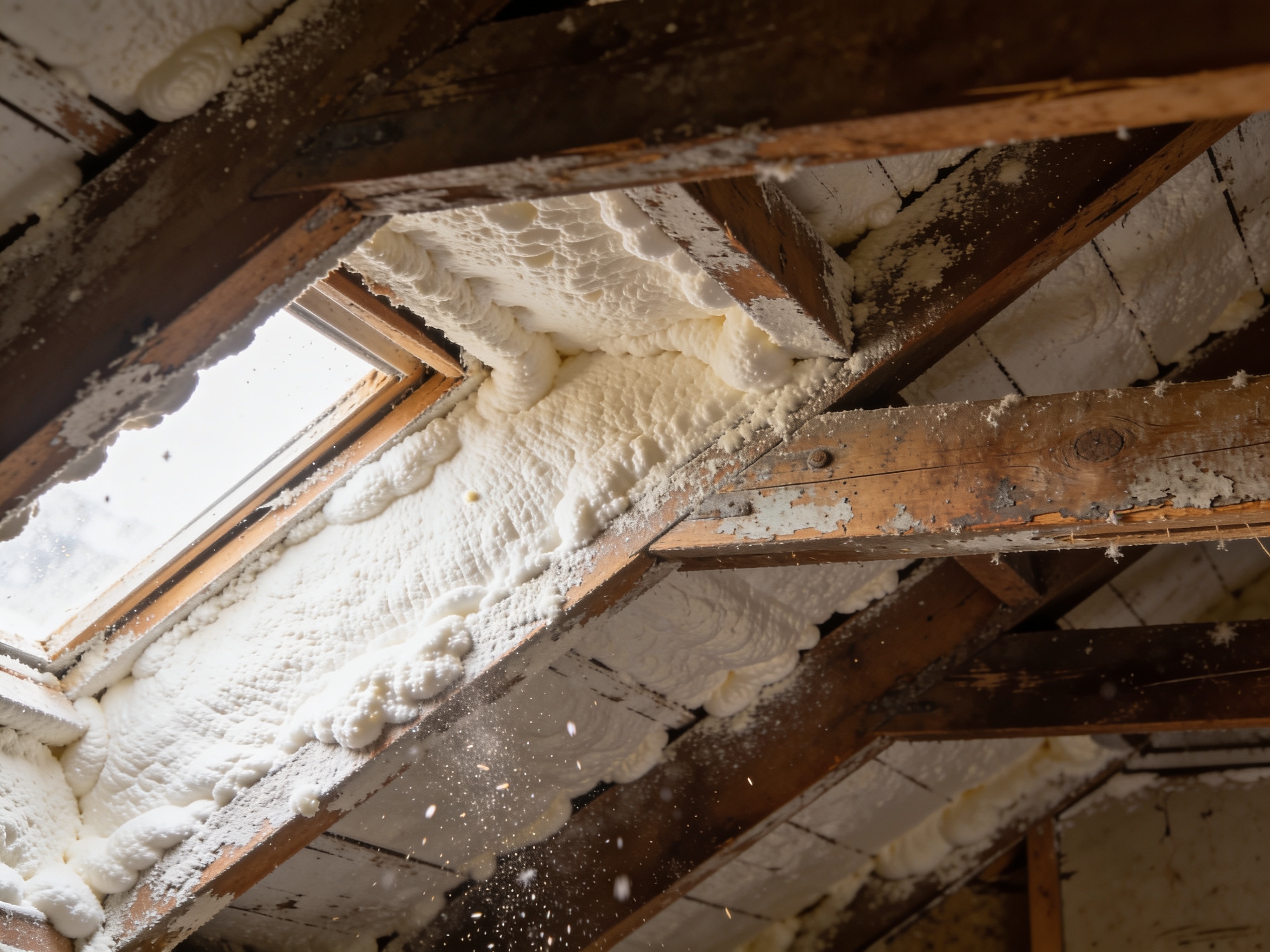
Yes, attic spray foam insulation often proves worth it for older North Broken Arrow homes when the attic shows signs of air leakage and the home sits in Tulsa County’s humid subtropical climate. Homes in neighborhoods such as Lynn Lane and Arrowhead frequently feature attics with original insulation that has settled or been disturbed, allowing hot air infiltration during summer months and heat escape in milder winters. Closed-cell spray foam creates an air seal that reduces these losses while also managing moisture that can accumulate from the region’s humidity.
Attic Conditions Common in North Broken Arrow Older Homes
North Broken Arrow properties built before widespread use of modern insulation standards often have vented attics with rafters spaced for older roofing materials. In areas like Forest Ridge and Indian Hills, these attics sit above single-story or split-level homes where ductwork runs through unconditioned space. The hot summers push attic temperatures well above outdoor readings, while mild winters still allow noticeable drafts through unsealed penetrations. Spray foam applied to the underside of the roof deck can turn the attic into a conditioned space when paired with proper ridge and soffit ventilation adjustments, but installers must first inspect for existing moisture issues or knob-and-tube wiring that requires relocation before any foam is applied.
Climate Factors Affecting Performance
Broken Arrow’s humid subtropical conditions bring high summer humidity levels that interact with attic temperatures, creating condensation risks if ventilation is blocked. Mild winters reduce the heating load compared to northern states, yet the temperature swings between day and night still stress older roof assemblies. Spray foam’s closed-cell structure resists moisture absorption better than fiberglass in these conditions, helping prevent mold growth common in poorly sealed attics near Ray Harral Nature Park where tree cover can trap humidity. Homeowners in Downtown Broken Arrow or near Bass Pro Shops often notice the biggest difference in second-floor comfort once the attic is sealed, because the foam limits heat transfer through the ceiling plane during peak afternoon temperatures.
Cost and Practical Considerations for Local Homes
Upfront material and labor costs for attic spray foam in a typical 1,200-square-foot North Broken Arrow attic range higher than loose-fill options, yet the air-sealing benefit can offset that difference over time through reduced HVAC runtime. Crews based at 1158 N Birch Ave schedule most residential attic work between 8am and 6pm weekdays to avoid peak heat, with Saturday morning slots available for smaller jobs. Access through existing scuttle holes or gable vents determines whether the job requires additional openings, and homes near Coweta or Bixby with similar stock often need the same prep work. Readers considering related upgrades can review details on attic spray foam insulation or explore how similar treatments help bonus rooms in the linked article Why Your Broken Arrow Bonus Room Stays Hot and How Spray Foam Fixes It.
When Spray Foam May Not Be the Right Choice
Some older attics already contain adequate cellulose or fiberglass that only needs air sealing at penetrations rather than full foam coverage. If the home has active roof leaks or insufficient soffit intake, adding foam without correcting those issues can trap moisture against sheathing. Properties in Arrowhead or Lynn Lane with walk-up attic storage may lose usable space once foam is applied to the roof deck instead of the floor. In those cases, targeted sealing combined with crawl space encapsulation sometimes delivers better overall results for the whole-house envelope. Checking current ventilation and existing insulation depth before committing helps determine whether the investment aligns with the home’s actual needs.